
5
min read
A landing page presents a specific offer and guides visitors towards a chosen action, such as an enquiry, booking, registration or purchase.
Its usefulness depends on the connection between the traffic source, visitors' expectations and content. An ad promising a price estimate should not lead to a page that only tells the company's history.
When a landing page makes sense
A landing page suits a specific service, product, event or offer test. It explains one journey without sending visitors through many sections.
A renovation company might have a main website plus a landing page for small kitchen renovations. That audience has specific questions about timing, stages and terms.
For many service areas or a large catalogue, compare a landing page with a multi-page website. Not every task fits one long page.
What to decide before design
Define who the page is for, what question brings them there and which action should follow.
Describe the offer plainly. “Comprehensive innovative solutions” does not explain what customers receive. Name the service, outcome and a condition that matters to this audience.
Decide who handles enquiries and how quickly they can respond. A form cannot help if requests are ignored.
Planning the structure
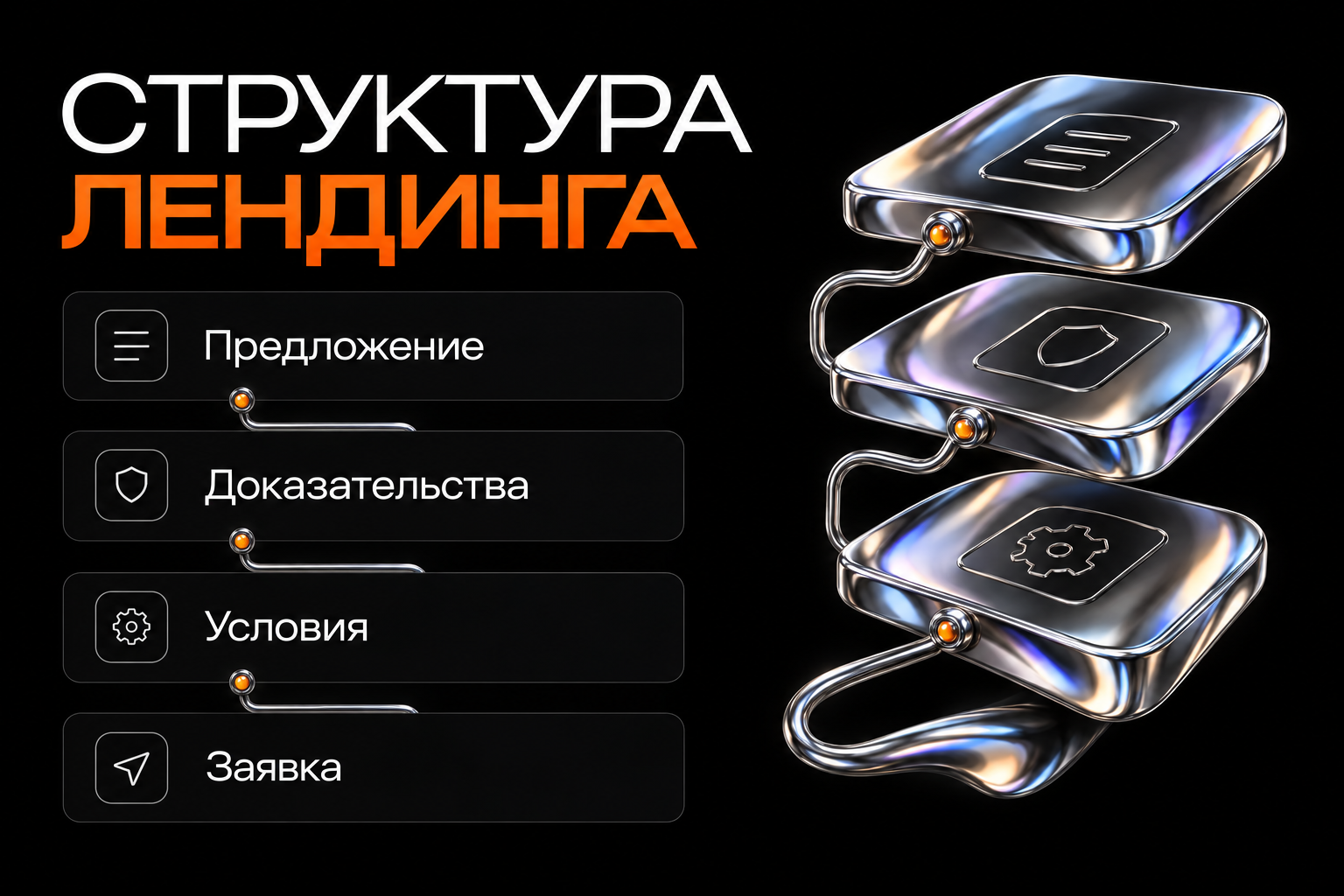
The opening screen
Visitors should understand the offer and the next step. A heading, short explanation and button can do this without a lengthy introduction.
Use only substantiated advantages. If delivery timing depends on the project, do not make it an unconditional promise.
Explaining the offer
Show what the service includes, who it suits and its limitations. Images and examples should add to the explanation rather than repeat vague claims.
For complex services, show the process: what the client provides, what happens next and what they receive at each stage.
Evidence
Case studies, genuine photos, testimonials and clear examples help visitors judge expertise. Choose evidence relevant to this page's offer.
Do not invent results or claim other companies' logos as your own. Without a published case study, show your process and a clearly labelled illustrative solution.
Terms and action
Explain pricing, what an estimate requires and how to enquire. FAQs should address real concerns about timing, materials, payments and limitations.
Place forms where visitors can make a decision. A long page can have several enquiry points if they lead to one clear process.
Writing the copy
Start with customers' questions and answers. Each section should advance their understanding.
Remove repetitive promises. Instead of “a personal approach”, explain what changes for the client: structure, scope or deliverables.
Do not decide page length in advance. A simple offer may need little explanation; a purchase requiring comparison and trust needs more information.
Design and mobile layout
Check text size, contrast and button visibility. Forms should be usable on a smartphone without zooming.
Avoid animation that delays important information. Decoration can support the brand but should not obstruct enquiries.
Pre-launch checks
- Open the page using the planned advertising link.
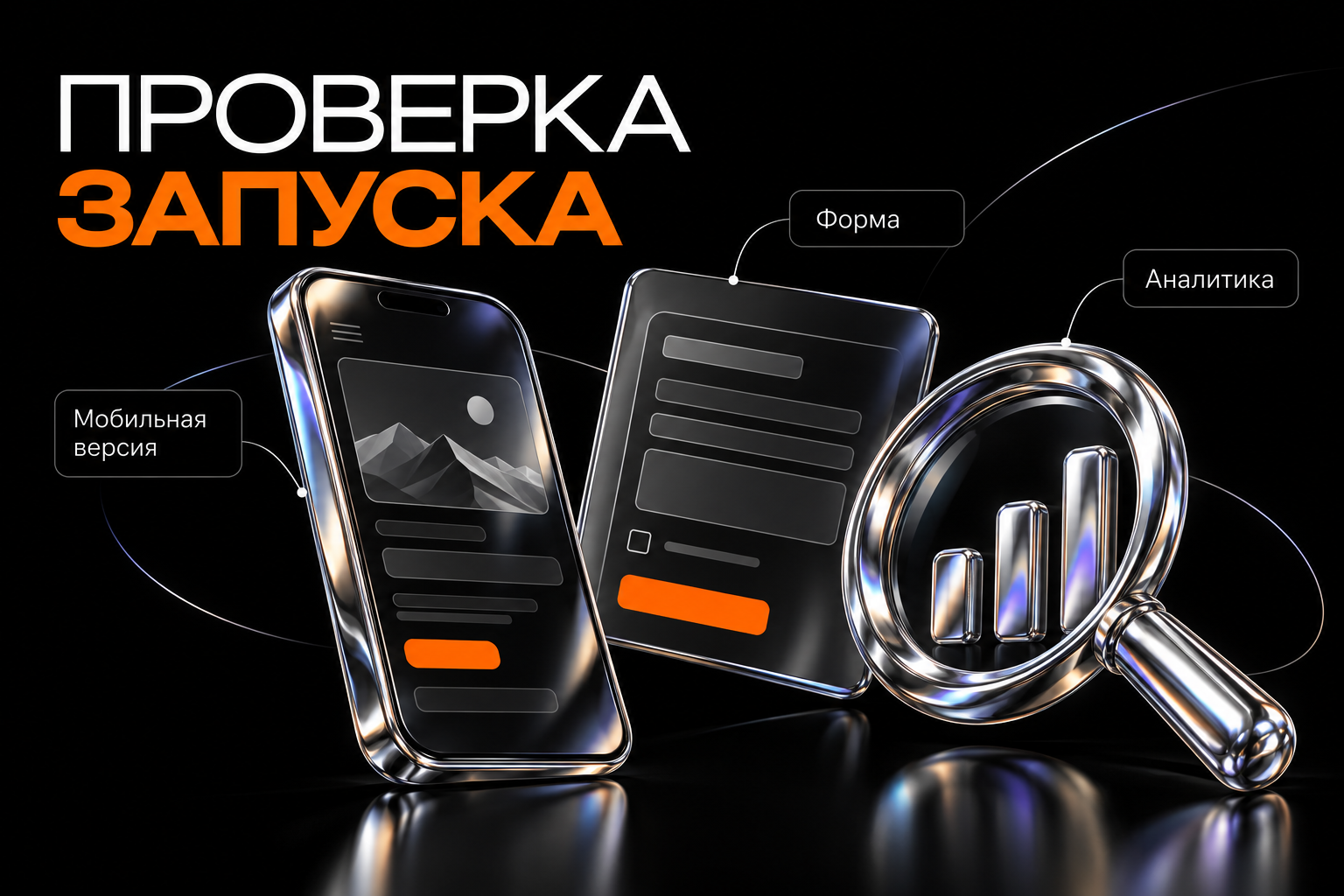
- Compare the ad's promise with the opening screen.
- Submit the form and confirm receipt.
- Check field errors and submission confirmation.
- Use the page on a smartphone.
- Set up tracking for the target action.
- Confirm the approved content and terms are published.
Distinguish button clicks from successful submissions in analytics. Otherwise an “enquiry” count may only count clicks.
Measuring results
Compare traffic sources, actual enquiries and their quality. Many enquiries without suitable clients may indicate an issue with the offer or audience.
Make important changes against a clear hypothesis. Rewriting all the copy while changing advertising creates several possible causes for any result.
Frequently asked questions
Can a landing page replace the main website?
Sometimes, if the business has one offer. A wider range of services and content may need a separate structure.
Is attractive design enough?
No. You also need suitable traffic, useful content, a working form and enquiry handling.
Getting started
Prepare your offer and prospective clients' questions. We can then plan the structure, content and enquiry journey before moving into design and launch.