
5
min read
On-page SEO concerns your pages and how the website works. Off-page SEO concerns business presence and connections with other resources. The distinction helps organise work, but the two are not independent.
A useful external publication cannot fix incorrect terms or a broken form on the destination page. Prioritise according to the project's condition.
What on-page work includes
Structure and page purpose
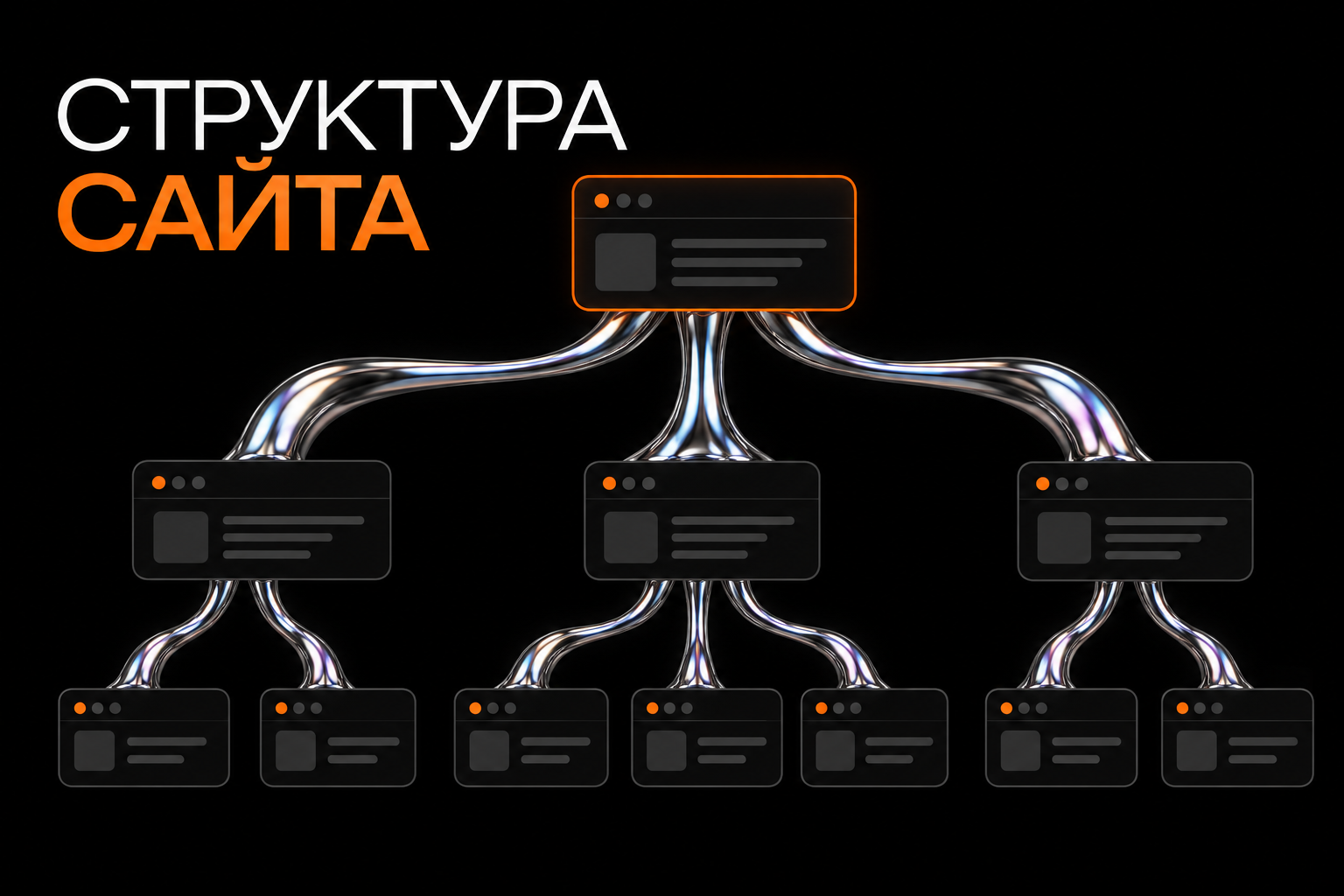
Each important page needs a clear task. A service page, product category and article can connect without targeting the same query.
Check for near-identical pages competing for the same journey. Sometimes content should merge; sometimes offers need clearer separation.
A useful business deliverable is a page map showing topic, audience, action and required information.
Content
Describe actual terms, options and limitations. Add photographs, examples and answers that help people choose.
Do not replace a service description with keywords. If customers need dimensions, timing or scope, put that information on the page.
Metadata and links
Title should accurately identify the topic. Description can summarise content, but does not unconditionally control search presentation.
Internal links connect related pages: a guide to a suitable product, or a case study to its service.

Technical work
Check availability, mobile usability, HTTPS, broken links and redirects. Resolve duplicates and preferred URLs.
A canonical URL indicates the preferred version of similar pages. It does not replace sensible structure or act as an unconditional search-engine command.
Do not apply one setting to every URL automatically. Understand why alternatives exist and which important pages should stay accessible.
What off-page work includes

Useful mentions and publications
Partner content, professional platforms and publications can bring interested visitors. Value starts with the audience and content, not merely a link.
For example, a furniture manufacturer can explain material selection where readers are actually planning purchases. That connection makes sense to users.
Reputation
Genuine reviews and accurate company details help people assess a business. Keep contacts current and answer questions.
Do not invent ratings. Reputation work should reflect real experience rather than simulate popularity.
Link quality
Do not judge off-page SEO solely by link count. Origin, context and audience relevance matter.
Manipulative schemes, mass exchanges and buying links to influence search may violate search-engine policies. More links are not automatically a safe route to results.
Choosing priorities
First check whether visitors can find an answer and complete an action. Then check search accessibility.
Assess external visibility after that. If the offer is unclear, extra traffic may only create more unproductive visits.
A possible sequence is to fix the form, explain service terms, organise similar pages and then prepare a useful partner article.
Organising a plan
- Record each problem and relevant page.
- Identify whether it is an internal change or external activity.
- Define the intended user action.
- Assign an owner and deadline.
- Check the outcome.
- Record the change date for later analysis.
Do not give dozens of tasks identical priority. Focus on obstacles affecting important pages and enquiries now.
Measuring results
For internal changes, monitor page search data and real actions. For external publications, track referrals, audience quality and enquiries.
A mention may introduce the brand without an immediate enquiry. Assess that role separately rather than automatically counting every publication as sales growth.
Avoid changing everything at once if you want to understand one hypothesis.
Frequently asked questions
Can I focus only on on-page SEO?
For some goals, that is a sensible start. External presence can help when the website is ready for suitable visitors.
Is off-page SEO just buying links?
No. It includes different forms of presence and interaction. Manipulative link building should not be treated as standard practice.
Next step
We can divide your project into page content, technical work and external presence, then prioritise around actual website problems.